MAR Technology
The Innovation Behind the Multipurpose Amphibious Rover
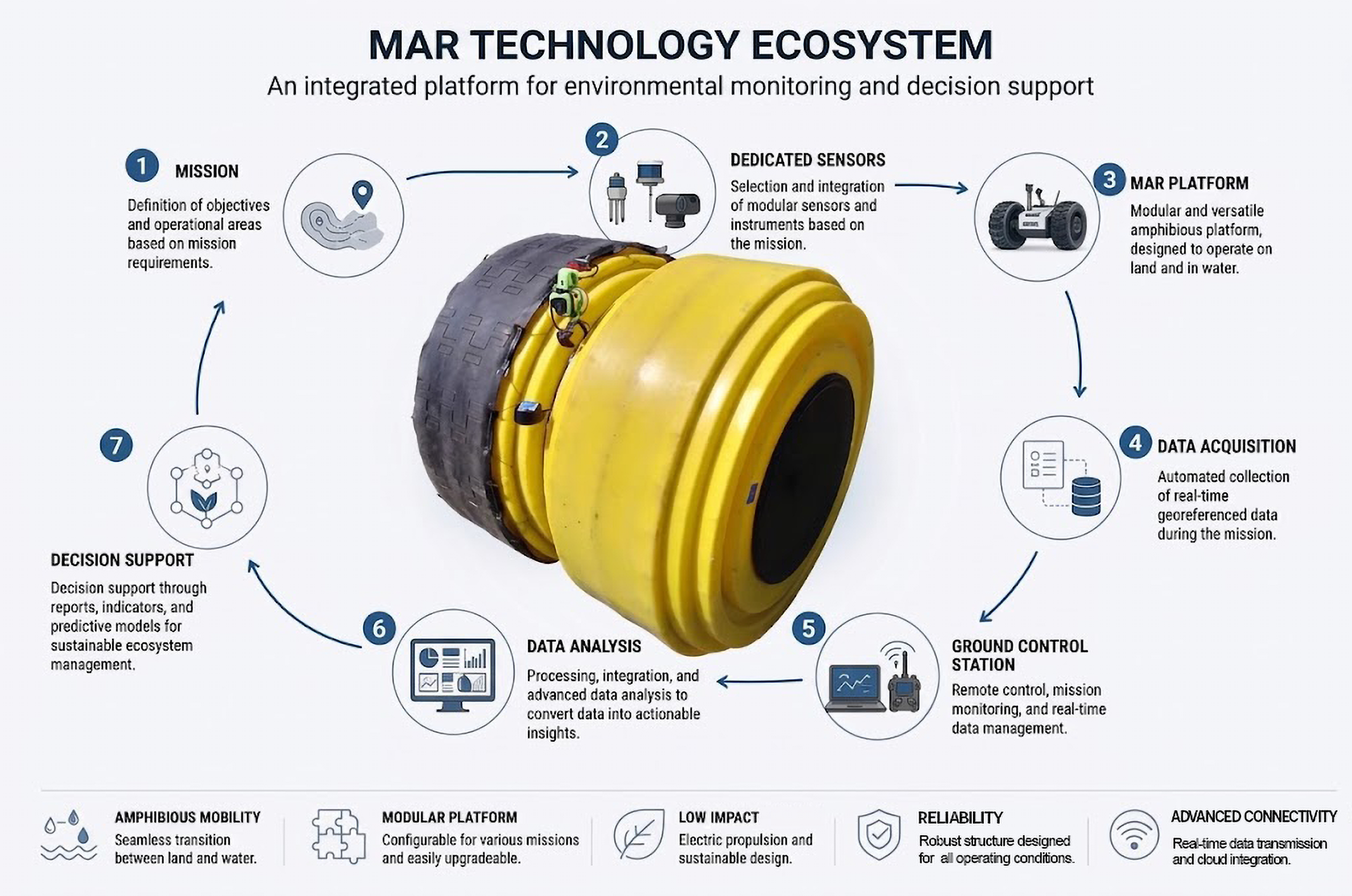
The MAR – Multipurpose Amphibious Rover is the result of an extensive research and development programme aimed at creating a robotic platform capable of operating seamlessly across land, water and transitional environments.
Its architecture combines an innovative locomotion system, a modular mechanical design and advanced sensor integration, providing a versatile solution for environmental monitoring, inspection and intelligent data acquisition.
An Innovative Operating Principle
The MAR is based on a simple yet highly innovative mechanical principle.
Two large watertight wheels provide both locomotion and buoyancy, allowing the entire platform to float while operating efficiently on land and in water.
Inside each wheel is a rotating pendulum mounted around a central axis.
By controlling the pendulum position, the platform shifts the wheel’s centre of gravity. As the wheel naturally seeks a new equilibrium, this controlled imbalance generates the movement of the rover.
This innovative solution eliminates the need for complex propulsion systems while ensuring mechanical simplicity, high reliability and reduced maintenance requirements.
Electric motors and batteries are fully integrated inside the pendulums, safely protected from the external environment.
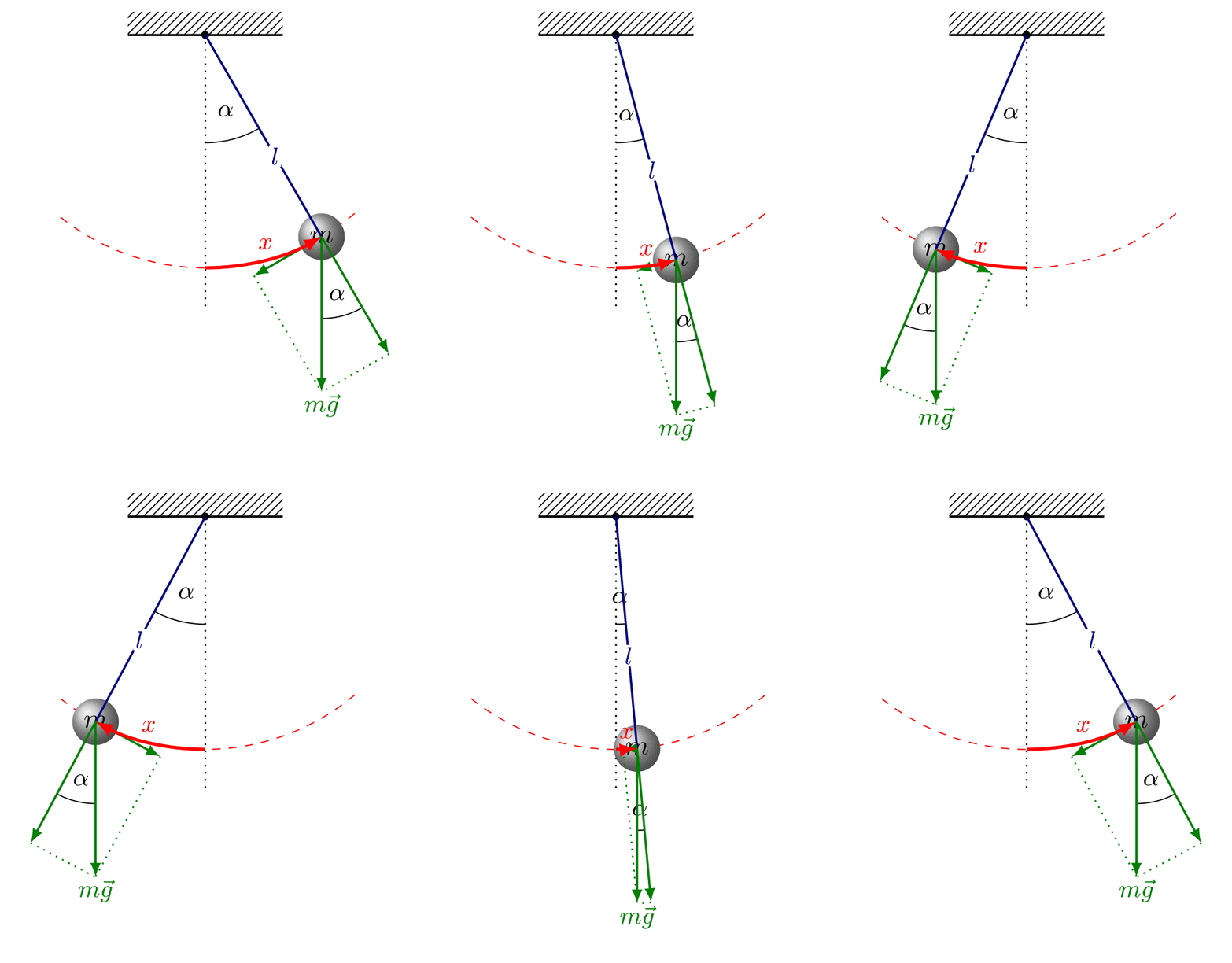
An Innovative Operating Principle
The MAR is based on a simple yet highly innovative mechanical principle.
Two large watertight wheels provide both locomotion and buoyancy, allowing the entire platform to float while operating efficiently on land and in water.
Inside each wheel is a rotating pendulum mounted around a central axis.
By controlling the pendulum position, the platform shifts the wheel’s centre of gravity. As the wheel naturally seeks a new equilibrium, this controlled imbalance generates the movement of the rover.
This innovative solution eliminates the need for complex propulsion systems while ensuring mechanical simplicity, high reliability and reduced maintenance requirements.
Electric motors and batteries are fully integrated inside the pendulums, safely protected from the external environment.
Intelligent Design for a Modular Platform
Throughout its development, MAR has evolved into a compact and highly modular robotic platform designed to integrate new technologies with ease.
Its fully electric propulsion system eliminates the risk of environmental contamination, while all potentially polluting components remain completely enclosed within the watertight wheels.
The central body has been progressively redesigned to become lighter and more compact while incorporating a modular equipment ridge capable of accommodating sensors, scientific instruments and mission-specific payloads.
This flexible architecture enables rapid configuration for environmental monitoring, scientific research, aquaculture and many other operational applications.
Suggested illustration: 3D rendering of the rover with callouts identifying the main technological components.
Technology Driven by Continuous Research
MAR has continuously evolved through research and innovation projects that have progressively expanded its operational capabilities.
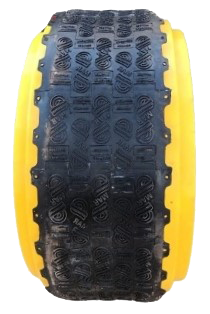
Precision Agriculture Version
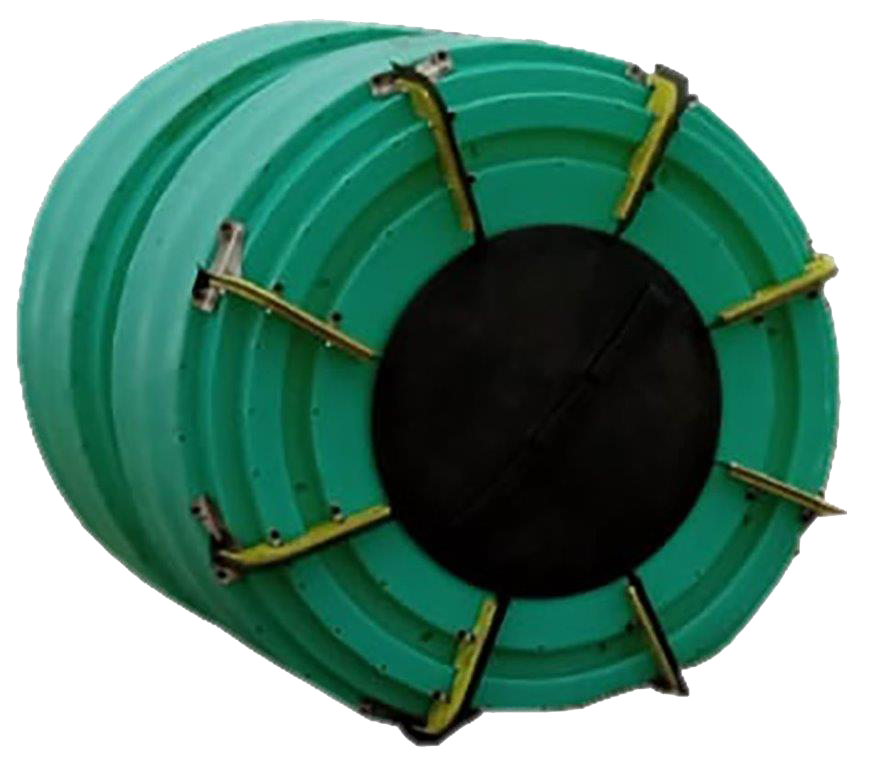
The first major developments focused on agricultural applications, leading to the design of a modular tread system made of interchangeable elements specifically developed to improve traction on natural terrain.
This innovative solution enhances rover mobility on agricultural land while also providing a distinctive and easily recognisable product identity.
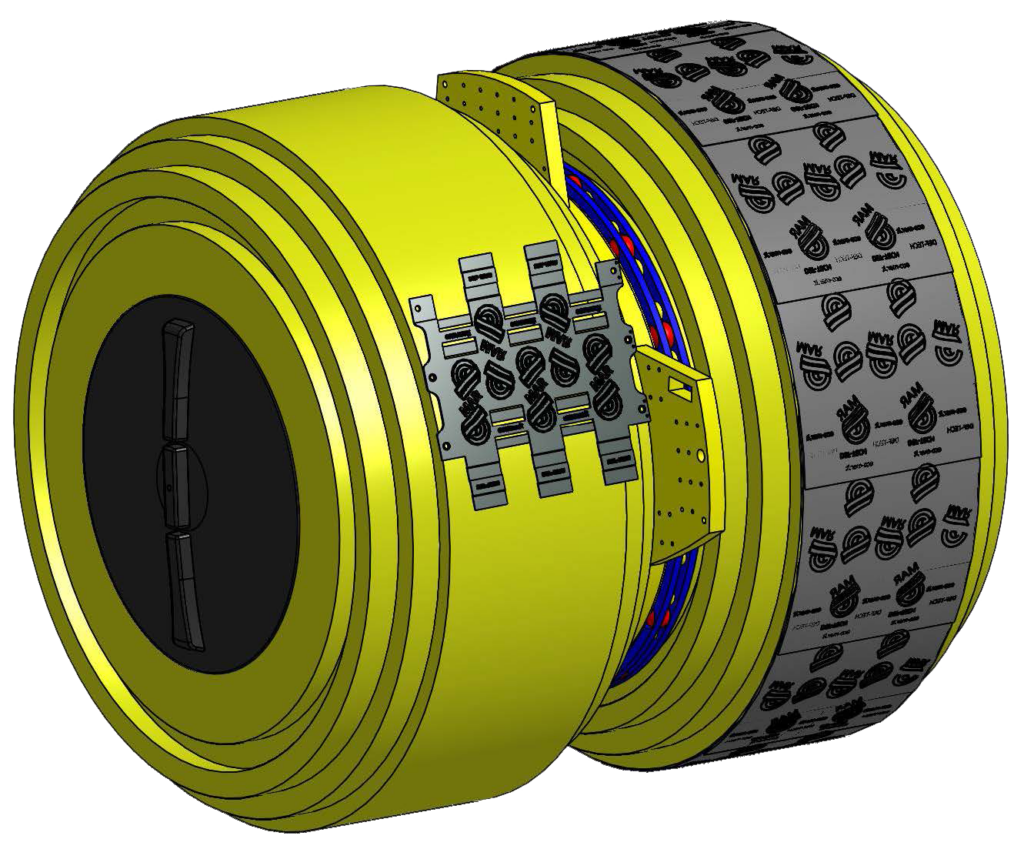
Amphibious Version
The next stage of development resulted in the fully amphibious configuration designed for environmental monitoring, inspection and surveying activities.
The wheels can be equipped with propulsion paddles that generate thrust in water while simultaneously ensuring flotation and protecting the onboard payload from the surrounding environment.
The platform features a very low centre of gravity, providing exceptional stability and allowing the rover to automatically self-right in the event of overturning.
Unlike aerial drones, MAR can continue operating even under adverse weather conditions, ensuring uninterrupted monitoring missions.
Technical Specifications
Dimensions
1200 × 1300 × 1200 mm
Weight
Empty vehicle weight: < 200 kg
Power unit weight: < 90 kg
Central body weight: < 15 kg
Sensor payload: up to 5 kg
Maximum operating weight: 350 kg
Payload Capacity
Up to 150 kg (depending on terrain conditions and mission profile).
Endurance
More than 8 hours of continuous operation at 1 m/s on flat terrain.
Stability
- Overturning angle greater than 120° on the transverse axis.
- Automatic self-righting capability thanks to the low centre of gravity.
Mobility Performance
Maximum climb capability: over 15% slope (depending on terrain conditions and payload).
A Platform Ready for the Future
MAR has been designed as an open and continuously evolving technology platform.
Its modular architecture allows the integration of new sensors, measurement systems and intelligent technologies, ensuring long-term adaptability to emerging operational requirements.
Ongoing research activities continue to expand the platform’s capabilities in environmental monitoring, automated data acquisition and intelligent decision support.
Future developments include the integration of Artificial Intelligence, Data Fusion, Digital Twins and Environmental Early Warning Systems, further strengthening MAR’s role as a next-generation platform for smart ecosystem monitoring.